
The Impact of Ambiance on Player Experience
Ambiance plays a critical role in shaping the casino experience, influencing how players feel and interact within the space. Elements such as lighting, sound, and decor work harmoniously to create an inviting yet stimulating atmosphere. For instance, dim lighting often sets a mysterious tone while vibrant colors stimulate excitement. The combination of soft music and the sounds of winning slots enhances feelings of anticipation and joy among players, making them less aware of the time spent gambling. Players looking for more details can click here explore a variety of games that fit their preferences. This carefully curated environment is designed to immerse players fully into the gaming experience.
This psychological approach to ambiance is no accident; casino designers meticulously plan these environments to engage visitors emotionally. By creating a comfortable yet thrilling atmosphere, casinos encourage players to linger longer and explore more. The use of sensory stimuli, such as the scent of fresh coffee or baked goods, further contributes to a welcoming environment that keeps patrons returning. Research indicates that sensory experiences significantly impact emotional responses, leading to increased playtime and a higher likelihood of returning to the casino.
Furthermore, the thoughtful arrangement of gaming tables and machines enhances social interaction. Open layouts allow for easy movement and conversation, fostering a sense of community among players. This social dynamic can lead to longer play sessions as individuals enjoy both the games and the camaraderie of fellow gamblers. Overall, the ambiance is an integral part of casino design, significantly influencing player behavior and satisfaction, making it a vital consideration for casino operators aiming to enhance profitability.
The Role of Space Design in Player Behavior
Space design in a casino is meticulously crafted to guide players through the gaming experience. The layout often resembles a labyrinth, designed to entice players to explore various sections. This strategic arrangement keeps patrons engaged, as they discover new games and areas, often unintentionally extending their stay. By removing direct exits and creating winding paths, casinos effectively minimize the chances of players leaving too soon, which contributes to higher revenues. The intricate design ensures that players remain engrossed, making it difficult for them to exit without exploring every nook and cranny.
The placement of high-value games versus low-stakes options is another crucial design consideration. Casinos often position high-stakes tables in visible locations to attract serious gamblers while placing slot machines in areas that encourage casual play. This careful zoning caters to different player demographics, ensuring that every visitor feels at home, whether they’re risk-takers or just looking for casual entertainment. This psychological segmentation maximizes the chances of all guests finding something that appeals to them, enhancing their overall experience.

Additionally, the use of open space versus enclosed areas can trigger different psychological reactions. Players in open areas may feel more excitement and freedom, leading to longer playtimes. Conversely, quiet, enclosed spaces may provide a sense of security and intimacy, encouraging focused play without distractions. Thus, effective space design is not merely about aesthetics; it serves as a strategic psychological tool that influences player behavior and enjoyment, ensuring that the casino remains a captivating environment.
The Importance of Rewards and Incentives
Incentives and rewards are a cornerstone of casino design, forming a crucial aspect of the overall gaming experience. Casinos utilize loyalty programs and tangible rewards to create a sense of value for patrons. By offering players complimentary drinks, meals, or accommodations, casinos enhance the allure of gaming and reinforce the expectation of winning. This practice taps into the psychology of reward systems, where individuals feel motivated to return to an environment that consistently offers them benefits for their engagement. The anticipation of rewards can keep players engaged for extended periods.
The excitement surrounding potential rewards can also affect player decisions during gameplay. Many casinos implement tiered reward systems to encourage higher spending levels. The more a player gambles, the better the rewards they receive, creating a strong psychological drive to keep playing. This strategy not only boosts engagement but also leads to increased spending as players chase those elusive bonuses or promotions, heightening both their gaming experience and the casino’s profitability. The thrill of potentially receiving a reward can be a powerful motivator for continued play.
Moreover, the visibility of rewards can create a sense of competition among players. When individuals witness others winning large rewards or bonuses, it can spark a desire to achieve similar success, encouraging continued play. This social proof serves as a powerful motivator, reinforcing the idea that success is within reach, which can be both exciting and dangerous. Smart casino design capitalizes on these psychological triggers to create an atmosphere where players feel compelled to stay and play longer, ultimately benefiting the casino’s bottom line.
The Influence of Color and Graphics
Color theory is a powerful tool in casino design, as different colors can evoke a range of emotions and reactions. For instance, red might stimulate excitement and urgency, while blue can evoke feelings of calmness and security. Casinos often blend these colors strategically to create energy while keeping players comfortable. The vibrant hues of slot machines and tables are designed to catch the eye and attract players, drawing them into the gaming experience almost subconsciously. This thoughtful use of color can significantly impact how players perceive their environment.
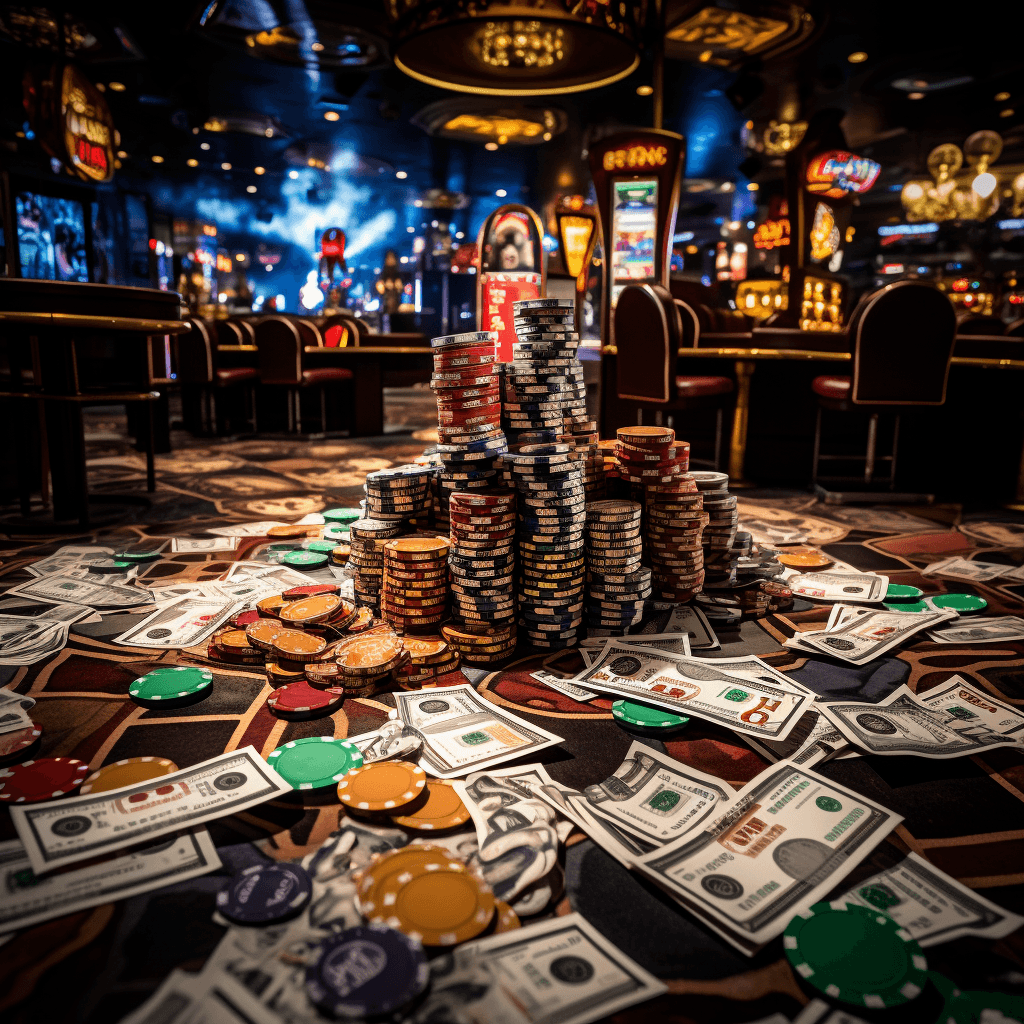
Additionally, graphics and imagery play a significant role in shaping perceptions and moods within casinos. The theme of a casino can set the tone for the entire environment, influencing how players interact with the space. Engaging and dynamic graphics on electronic devices ensure that players remain visually stimulated, enhancing their emotional response to the games. Customizable themes can also resonate more profoundly with different demographics, appealing to a broad audience. The visual appeal of a casino can be a decisive factor in attracting and retaining players.
Furthermore, the consistent use of branding through color schemes and design elements creates a cohesive identity that players can recognize and relate to. This connection fosters brand loyalty, as players may prefer one establishment over another due to the familiarity of the environment and its emotional significance. By leveraging color and graphics effectively, casinos can create an atmosphere that not only captivates but also retains players, ensuring they return for more experiences and ultimately enhancing their overall brand presence.
Understanding Casino Websites and Online Gaming Design
As the gaming landscape evolves, the design of online casinos has become increasingly important. The principles learned from physical casino design are now applied to online environments to create an engaging user experience. Just like traditional casinos, online platforms must evoke emotion and excitement through visuals, sounds, and interactive elements, ensuring they hold the player’s attention in a competitive digital market. The challenge lies in replicating the immersive experience of a physical casino in a virtual setting.
User interface design plays a crucial role in online gaming. A streamlined approach with intuitive navigation can lead to longer play sessions, as players can easily find their favorite games and promotions. The design should not only be aesthetically pleasing but also functionally efficient, allowing seamless transitions between different areas of the site, which keeps players engaged and encourages them to explore further. An engaging interface can significantly enhance the overall gaming experience, making it essential for attracting and retaining players.
Moreover, the incorporation of loyalty programs and interactive rewards on these platforms mirrors the strategies used in brick-and-mortar casinos. Gamification elements such as achievements, leaderboards, and virtual rewards enhance player engagement and satisfaction, replicating the thrill associated with physical gambling environments. As online gaming continues to grow, understanding the psychology behind design will be critical in creating successful platforms that attract and retain players, making the digital gaming experience just as compelling as its physical counterpart.